beyerdynamic Blog: How did the topic come about?
SLEEK: From the thought that music is much more than just entertainment. It is an emotional archive of our lives. Badchieff’s album HEUTE ODER GESTERN, in which he explores his childhood and formative experiences, offered the ideal starting point. We wanted to develop a story that doesn’t just portray music but also translates its emotional impact into visuals.
beyerdynamic Blog: Why memories?
SLEEK: Memories are an essential part of our identity. What’s interesting is that music can often bring them back more directly than images or words. A single song can transport us within seconds to a particular place, a past relationship or a different stage of life. We wanted to make this connection between sound, emotion and personal history visible.
beyerdynamic Blog: Why now?
SLEEK: We live in a time when music is available at any time and almost without limit. At the same time, our everyday lives are increasingly shaped by algorithms and digital recommendations. That’s precisely why we’re interested in the question of what makes music personal and distinctive. Badchieff’s exploration of his past is a beautiful counterpoint to the constant acceleration of our present.
beyerdynamic Blog: What role does music play in developing stories like this?
SLEEK: For SLEEK, music is an important part of contemporary culture. It influences fashion, art, design and the way entire generations express themselves. In an editorial like this one, music is therefore not merely an accompaniment but the creative starting point. It determines the atmosphere, the visual language and ultimately the story we want to tell.
General statement from SLEEK on the collaboration
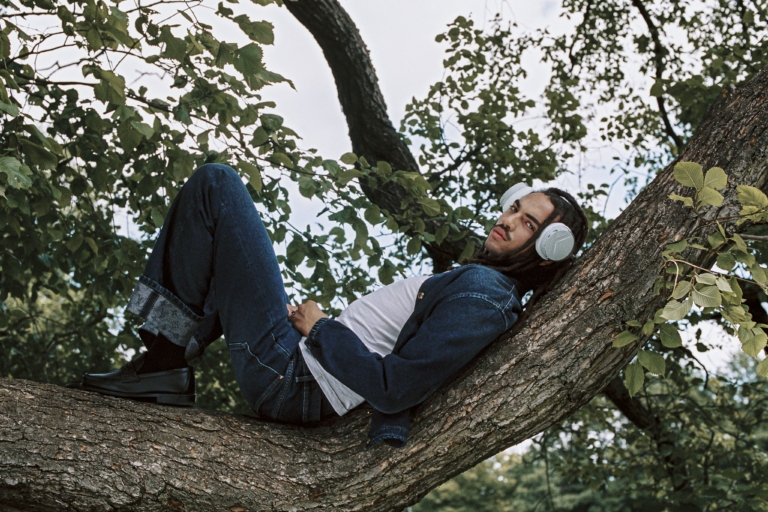
‘With What Memories Sound Like, we wanted to show that music goes far beyond listening. It shapes our memories, our identity and our personal style. Badchieff embodies this connection in a very credible way. Together with beyerdynamic, we were able to develop a story that brings music, fashion and technology together without losing sight of the person and his personal story. For us, that is exactly where the strength of a good editorial lies: it doesn’t simply show a product or an artist, but tells something that goes beyond both.’